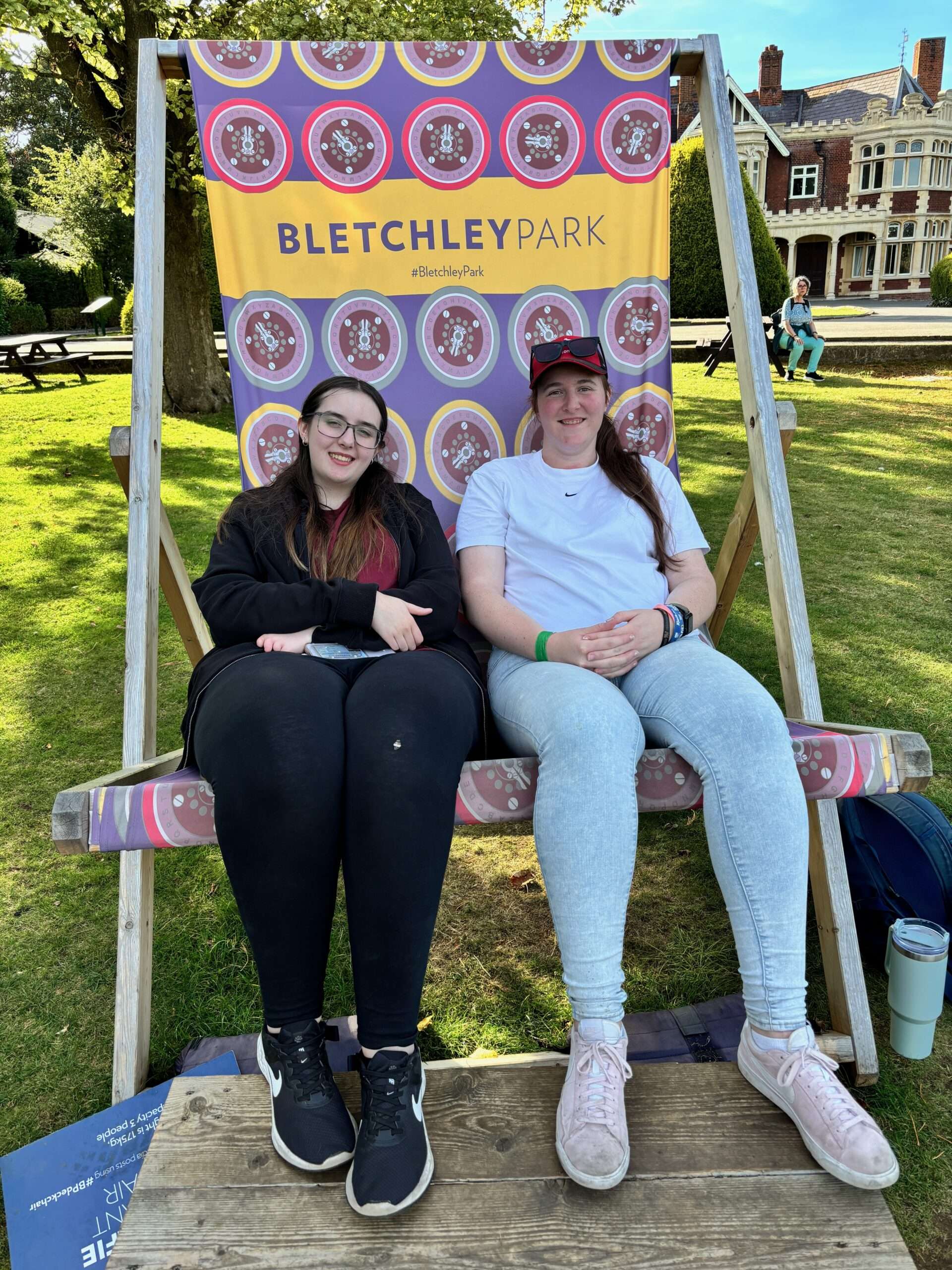
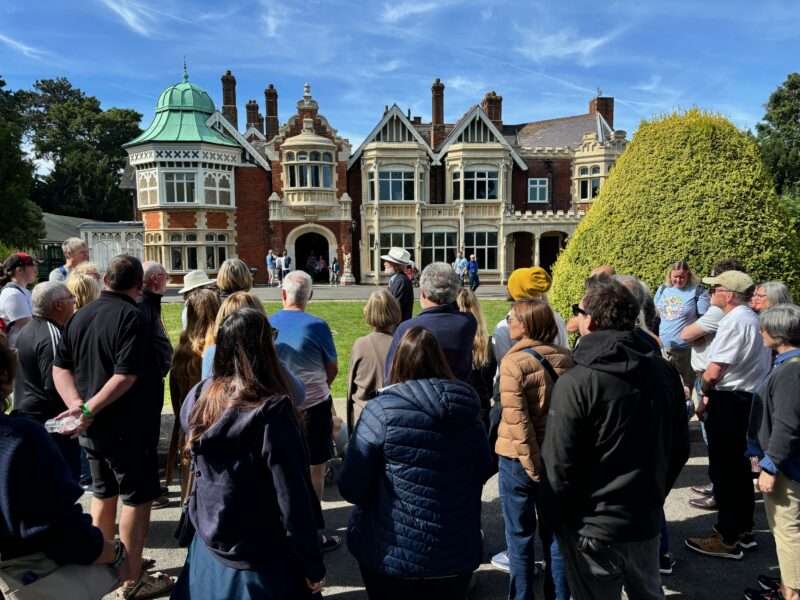
Members of the Quantum Technology Club headed south on Friday (13/09) to Milton Keynes; the purpose was to visit the home of the World War II Code Breakers at Bletchley Park (BP) and explore the technology of the day that made such a difference.
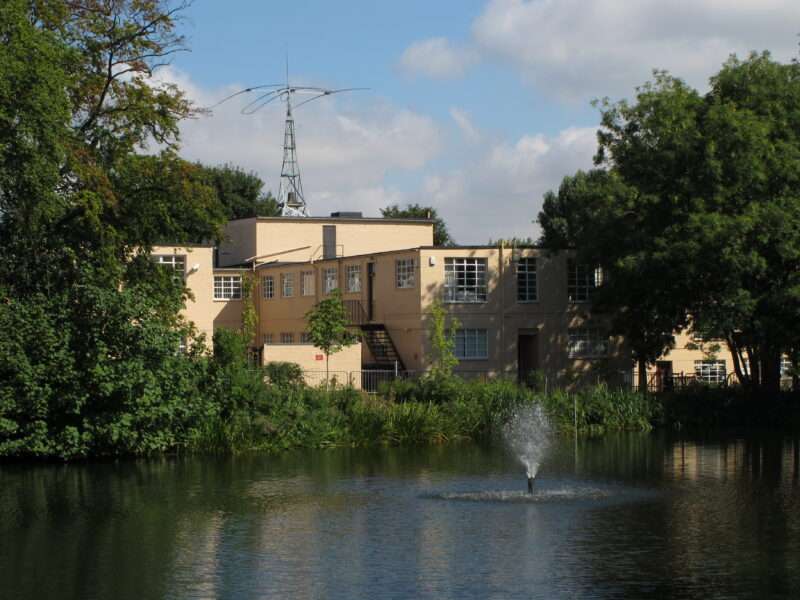
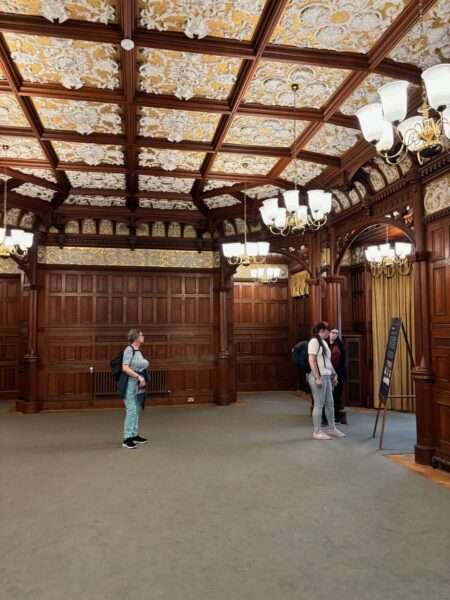
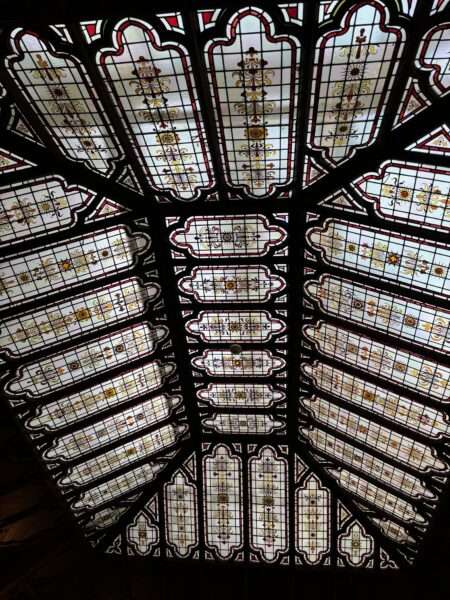
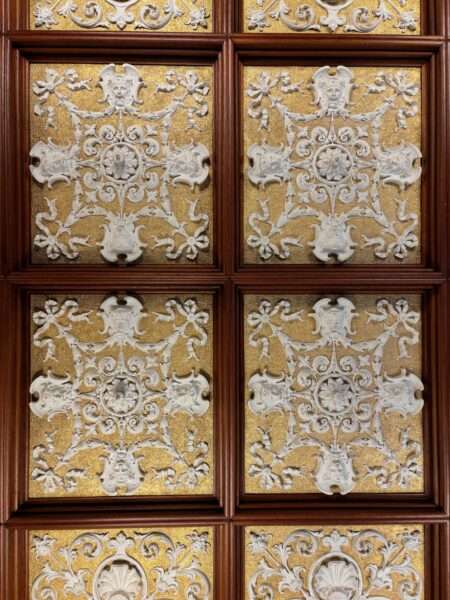
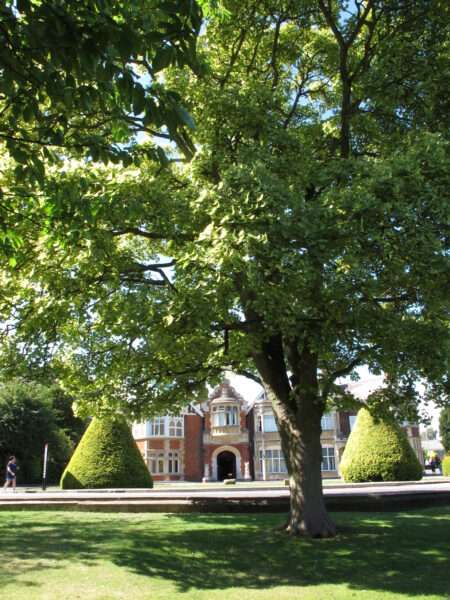
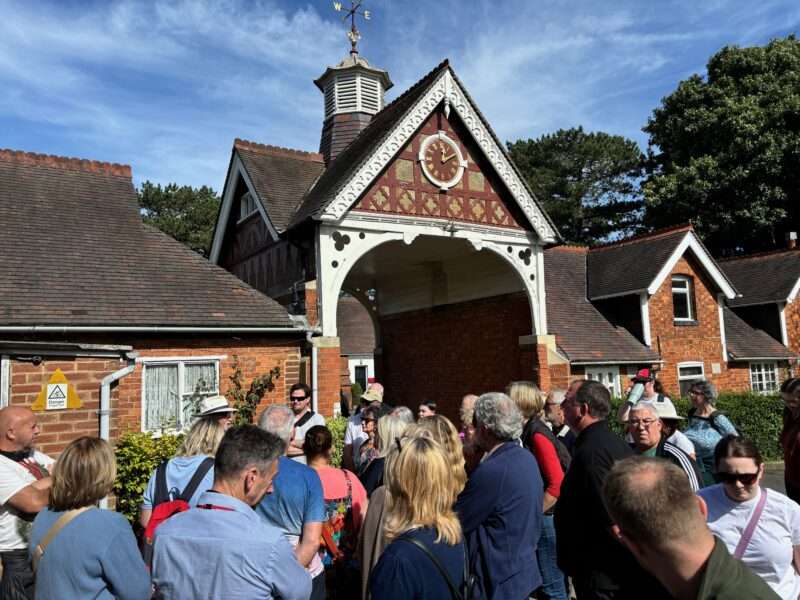
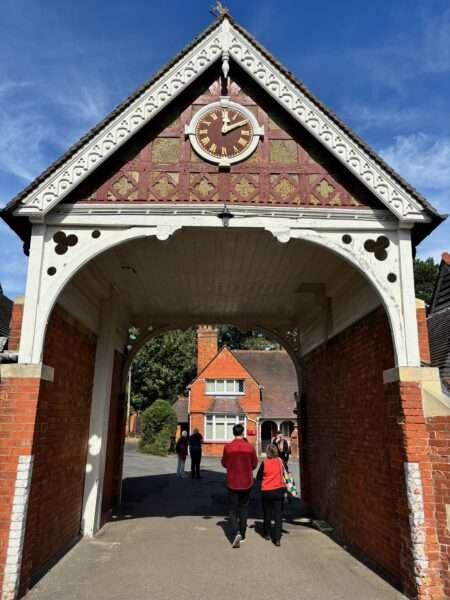
Saturday was spent exploring the Bletchley Park museum itself; it’s a very British place where every single car entering the site is personally greeted by a guide and parking options explained depending on which museum you are visiting (more anon).
Most of those visiting from the Quantum Technology Club were members of the Radio Society of Great Britain (RSGB) and therefore enjoyed free entry as a perk; it’a always nice to get a freebie that’s actually worth something (£26 in this case).
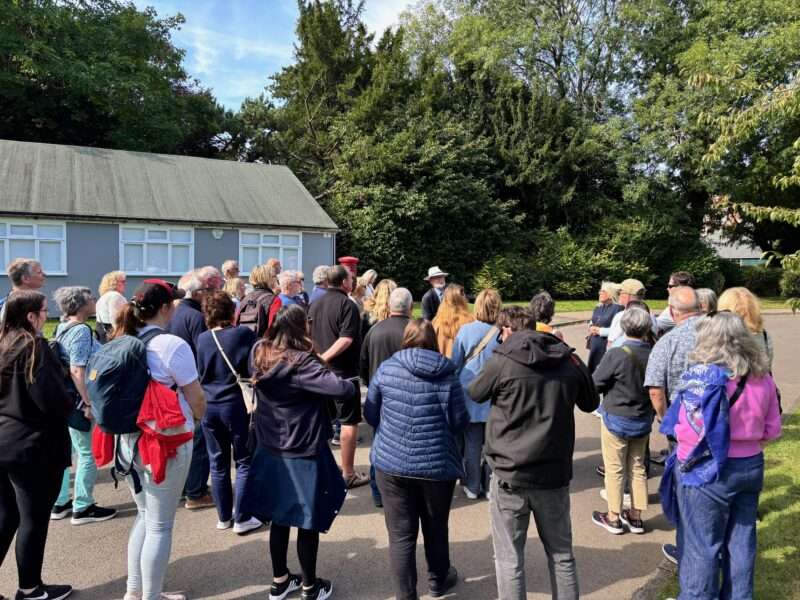
Also free was the guided tour; it’s well worth signing up for one of these before going and exploring on your own – it gives you just the right amount of overview to make the exhibits easier to understand.
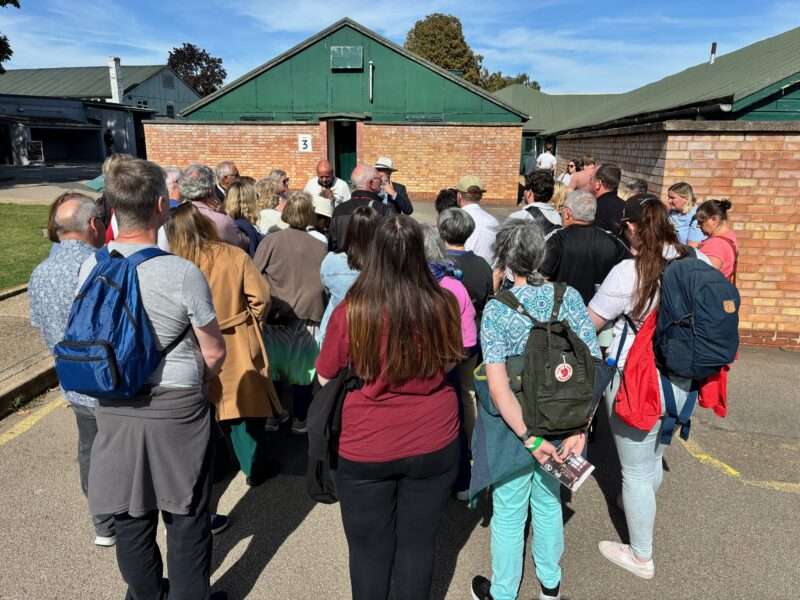
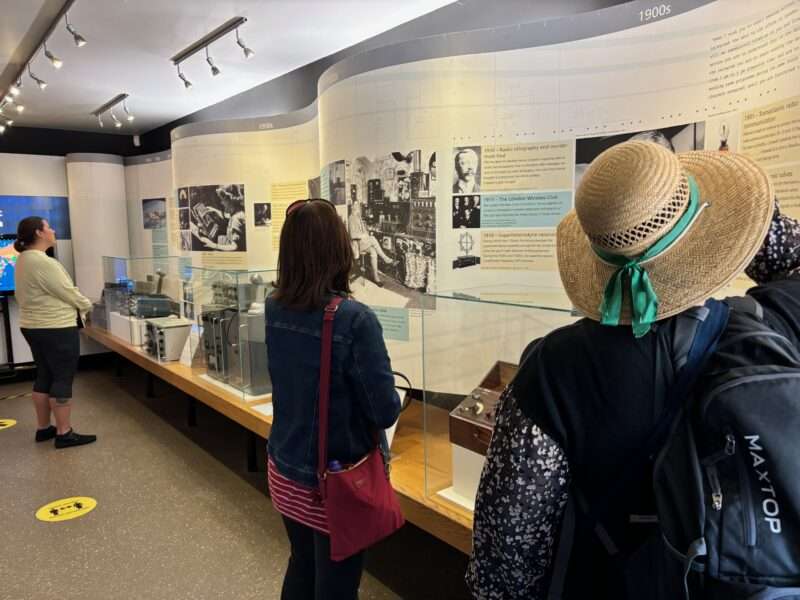
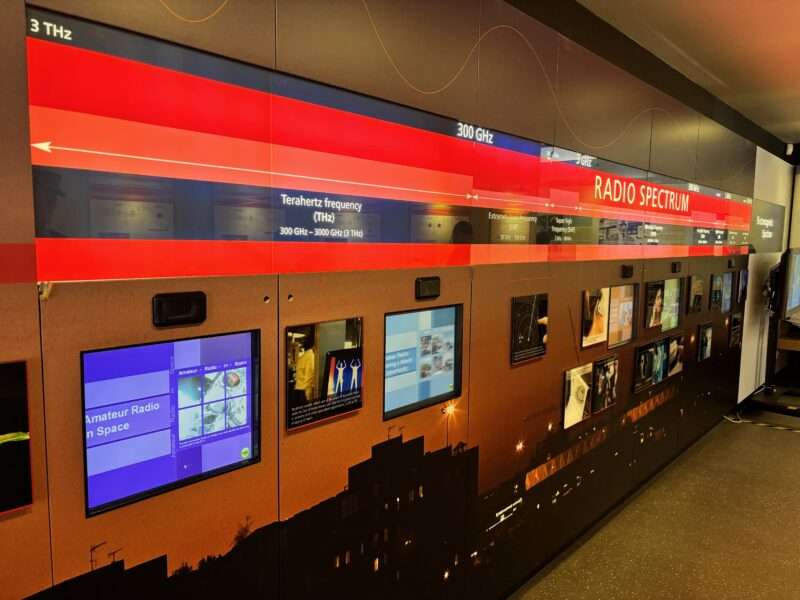
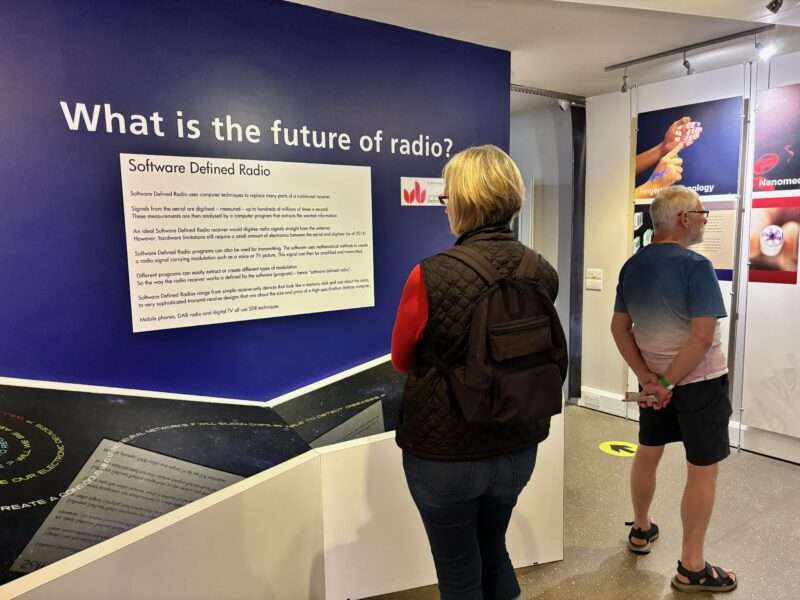
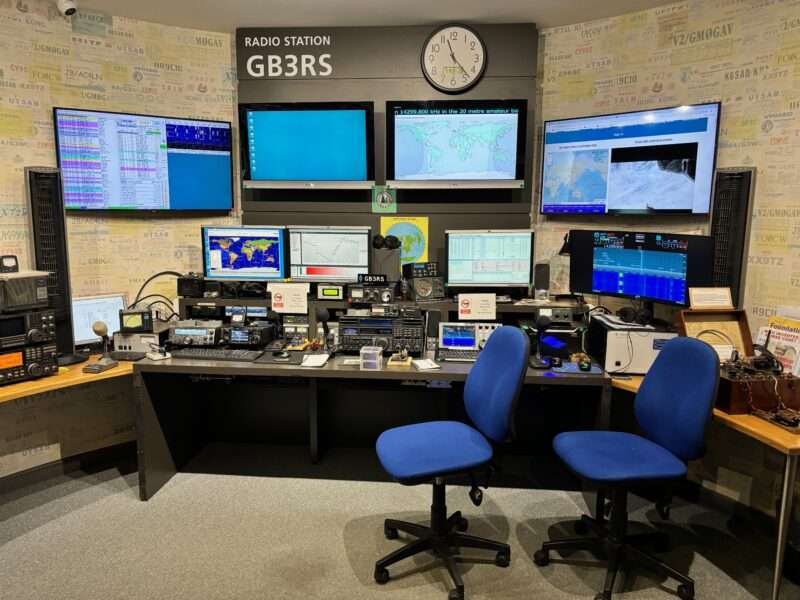
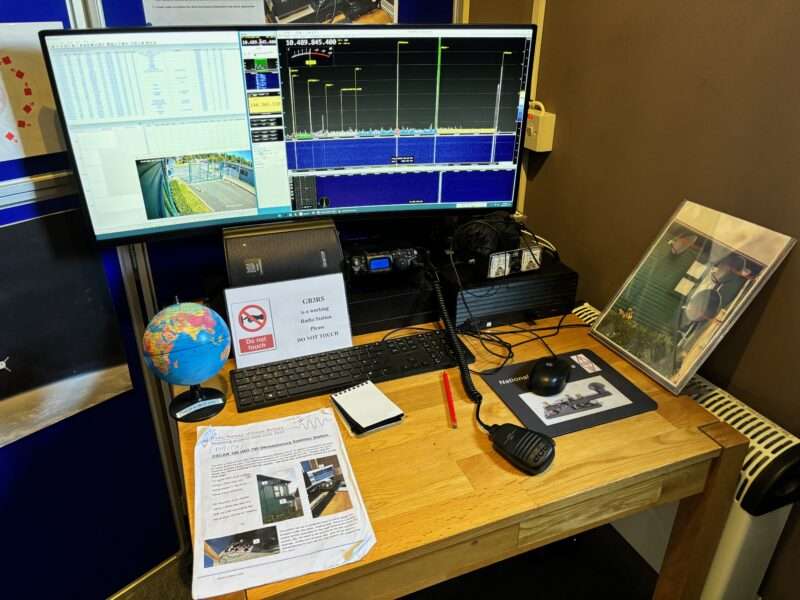
The RSGB is the national body that represents radio amateurs in the UK. A visit to their National Radio Centre, which is located at the park, gave a good introduction to wireless communication and how it works. This sits alongside the exhibits at BP very nicely as most of the communications messages that arrived at the code breaking centre had been sent by the Germans wirelessly. They were intercepted by specially trained wireless operators manning a network of Y-stations located around the UK; many of whom were radio amateurs before the war.

The name ‘Enigma‘ is synonymous with Bletchley Park as it was here that the Enigma cipher was broken on a daily basis throughout the war, enabling the Allies to read German messages and determine a response; contributing significantly to the work of BP knocking as much as two years off the potential duration of the war and saving millions of lives.

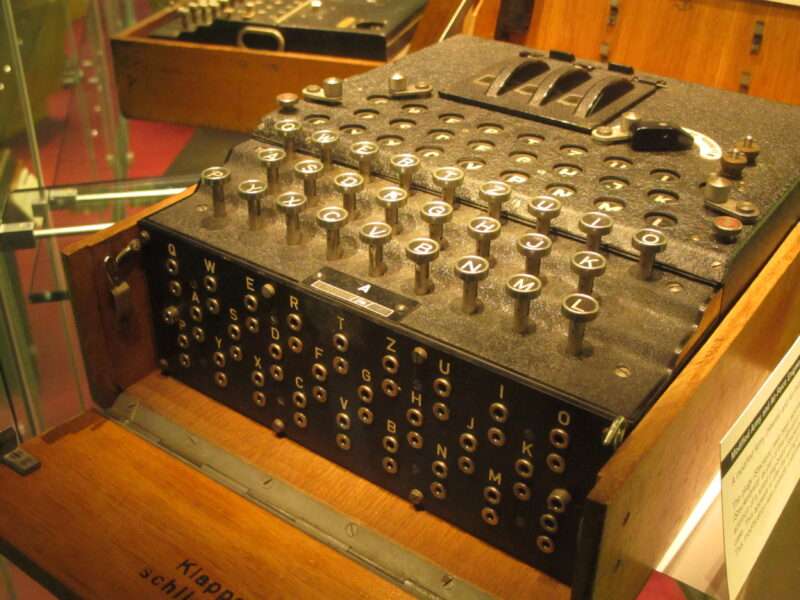
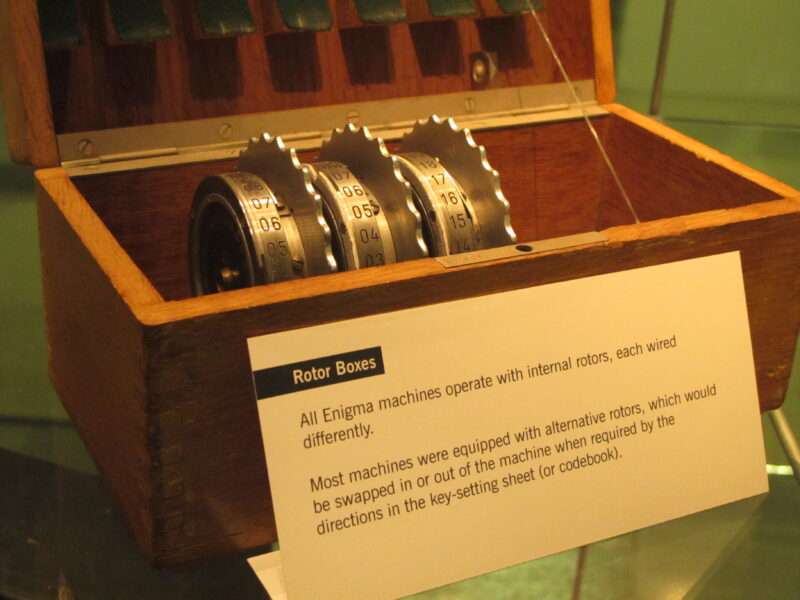
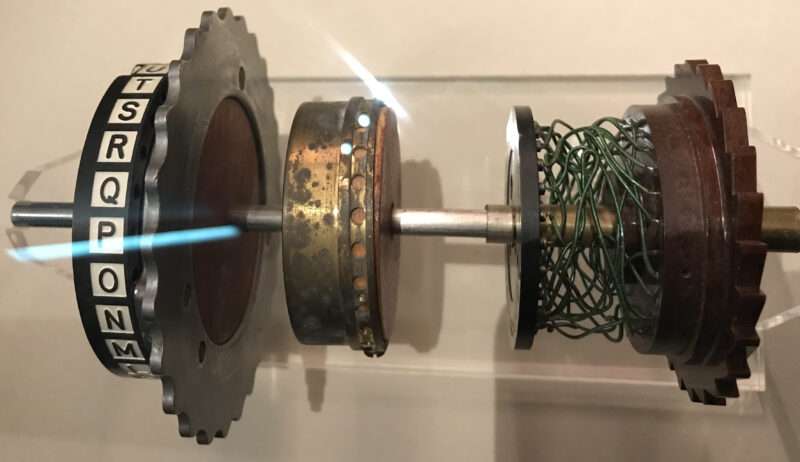
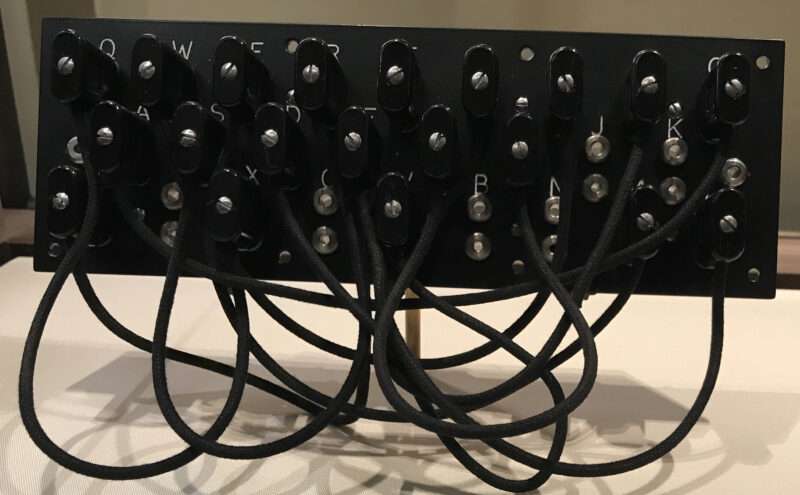
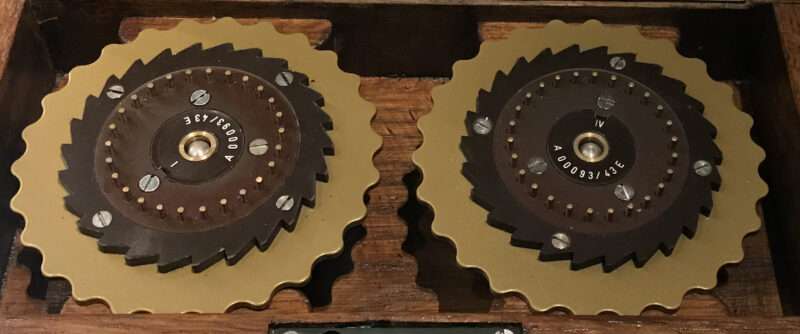
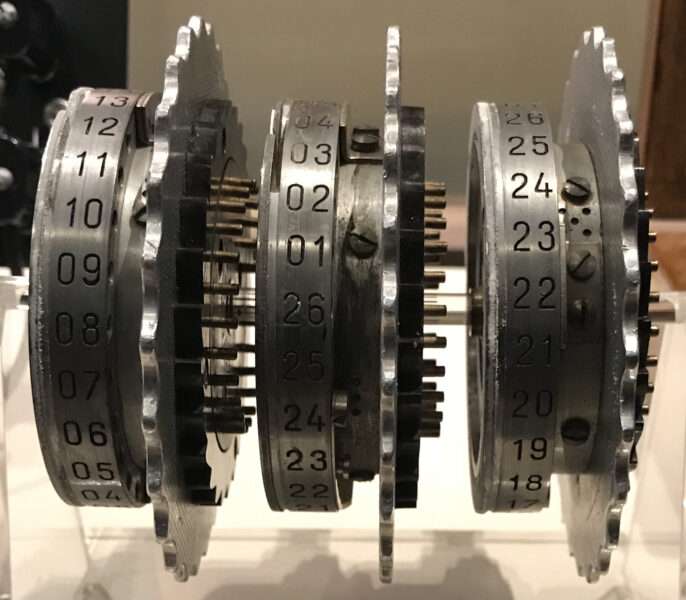
Many people think that there was just one Enigma cypher to crack on a daily basis; there were many more. Different departments within the German military and government departments had their own cypher settings (Army, Luftwaffe, Kriegsmarine, etc.), and used several different variations of the Enigma machine itself (three rotors, four rotors, etc.). At midnight, the Germans would change the cipher settings and everything would start again trying to crack the cipher settings for the new day – the extremely laborious task of cracking the daily ciphers went on 24/7/365 for five years.
Of course, a method of deciphering the encrypted message had to first be devised and this occupied some of the best minds in the country for the first months of the war. This work is often accredited to Alan Turing alone, but there many others involved too, without whom a reliable method of decryption might never have been devised. Bletchley Park celebrates the work of all these people, chief of whom were the Polish code breakers who had already cracked a version of Enigma before the war started, Turing himself, Gordon Welchman, Dilly Knox, Hugh Alexander and Tommy Flowers.
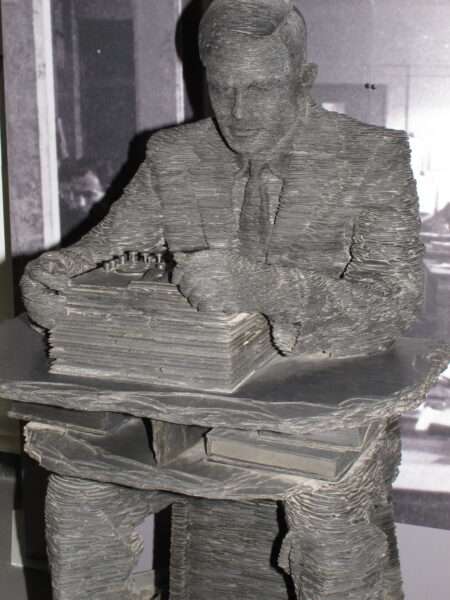
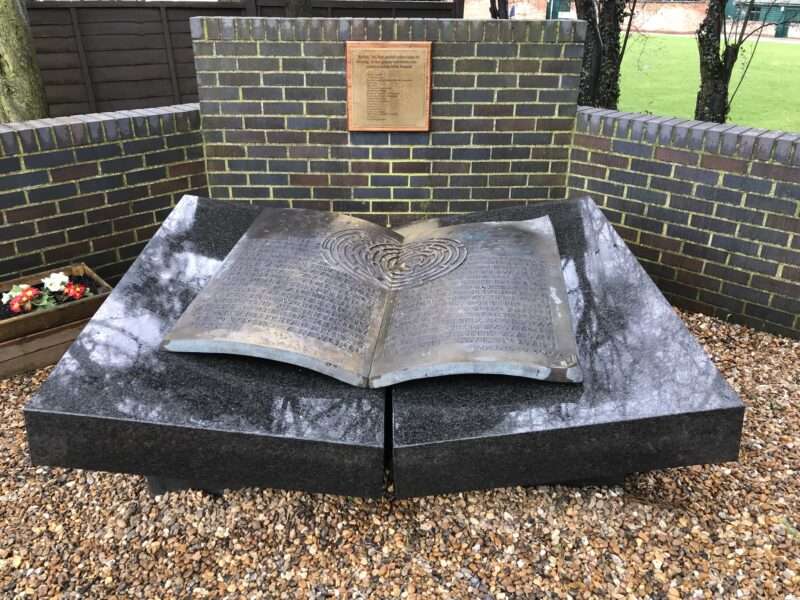
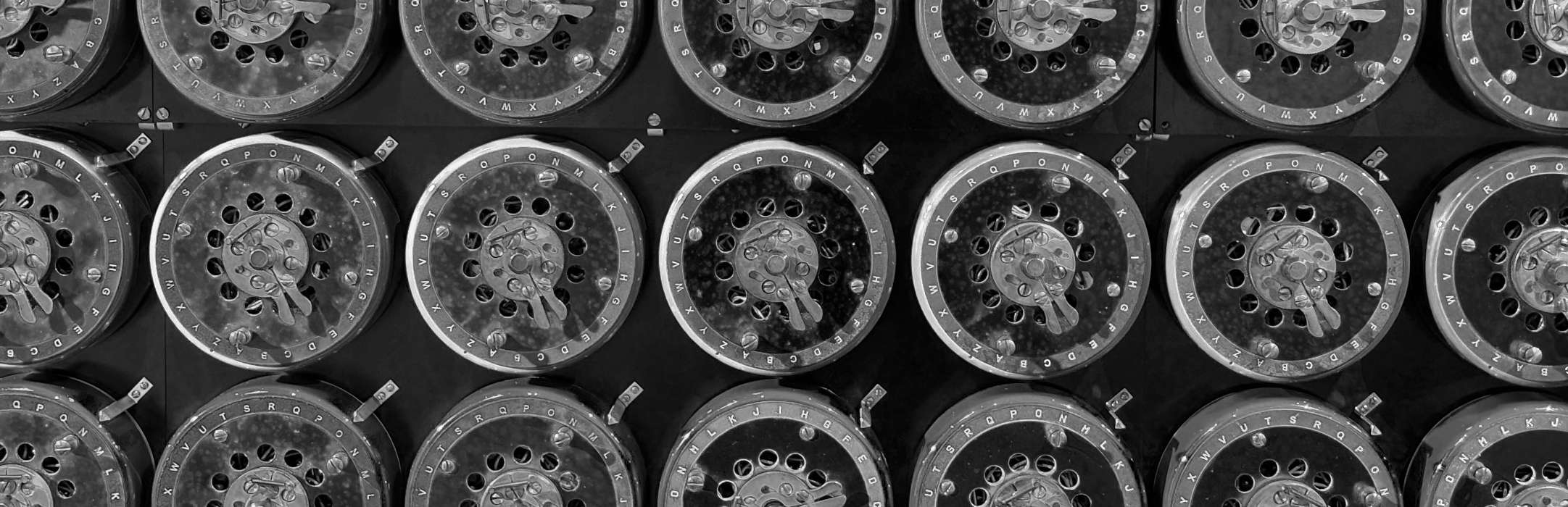
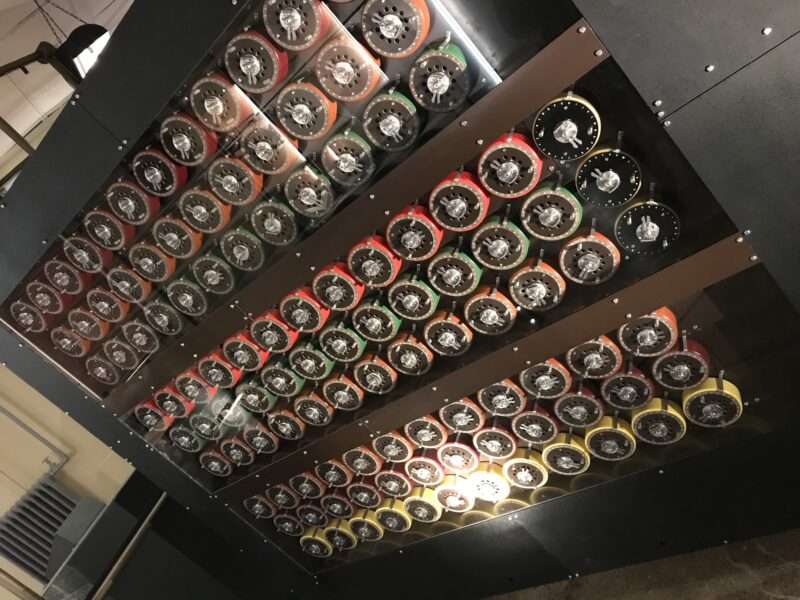
Together, Turing, Welchman, Knox, Alexander and Flowers developed, built and improved a device called the Bombe. This purely electro-mechanical device (it wasn’t a computer – that came later), was used to churn through possible cipher settings until a possible combination was discovered. Once discovered, the combination was tested and, if successful used to decrypt Enigma messages. If not, the Bombe would continue to seek another possible combination of cipher settings – this would go on until it was decided to give up and have a go at another department’s cipher settings, a ‘good’ set of settings was discovered, or it turned midnight and the process was repeated for the next day’s settings.

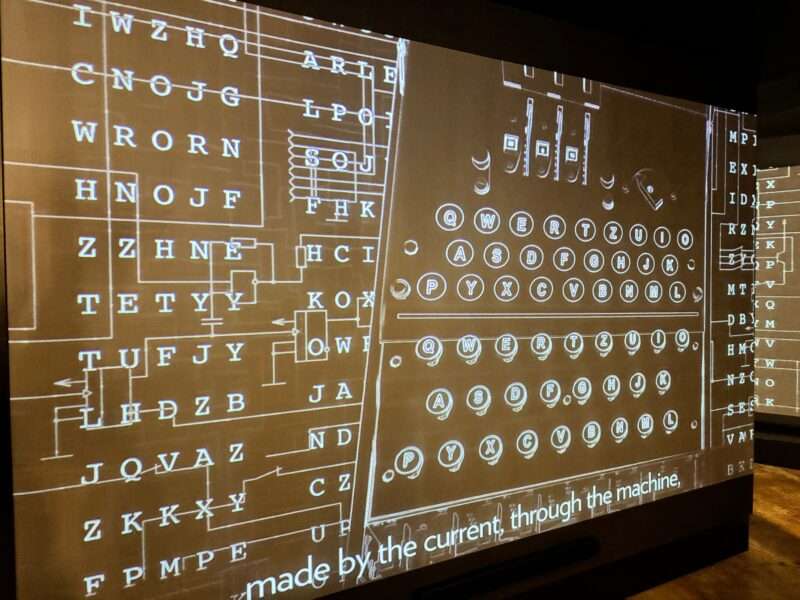
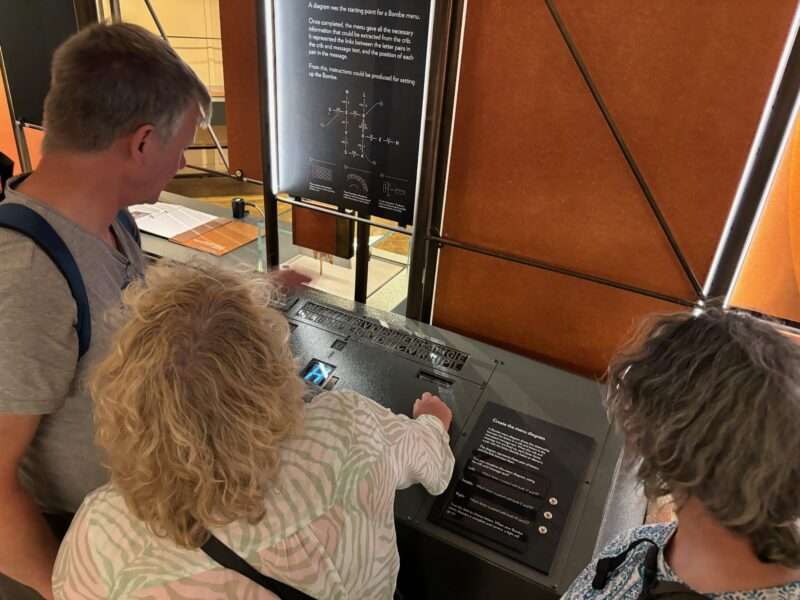
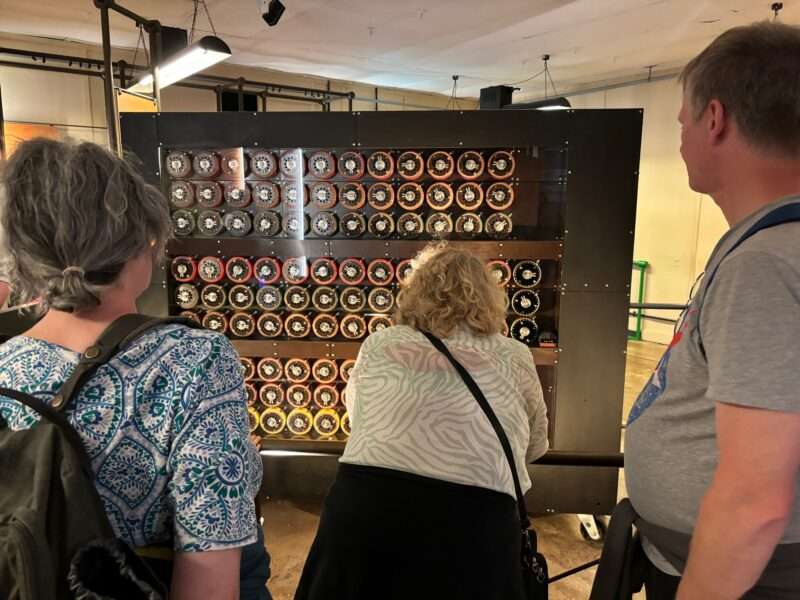
The Germans thought that the Enigma cipher was uncrackable – little did they know that in a country estate, a 45 minute train journey from London, an information factory had been established that was able to read German signals at will, providing they had cracked the cipher settings of the day.
Colossus is regarded as the first true computer. It was programmable and able perform Boolean and mathematical process on data. The Mark 2 version added shift registers that quadrupled the speed of cracking the cipher settings. It was made available to the code breakers in just enough time to inform the Allies that the Germans believed the main invasion of Europe would be through Calais, rather than the real target; Normandy. Colossus had been developed, remember, without the Allies knowing what a Lorenz machine looked like, or how it worked – a pure feat of genius by the teams at Bletchley Park. It did, however, work and went on to form the basis of every computer that would follow; including ENIAC which the Americans would have you believe is the first computer.

Visiting Bletchley Park is always a special experience, there is a strange peace there that you can’t explain.
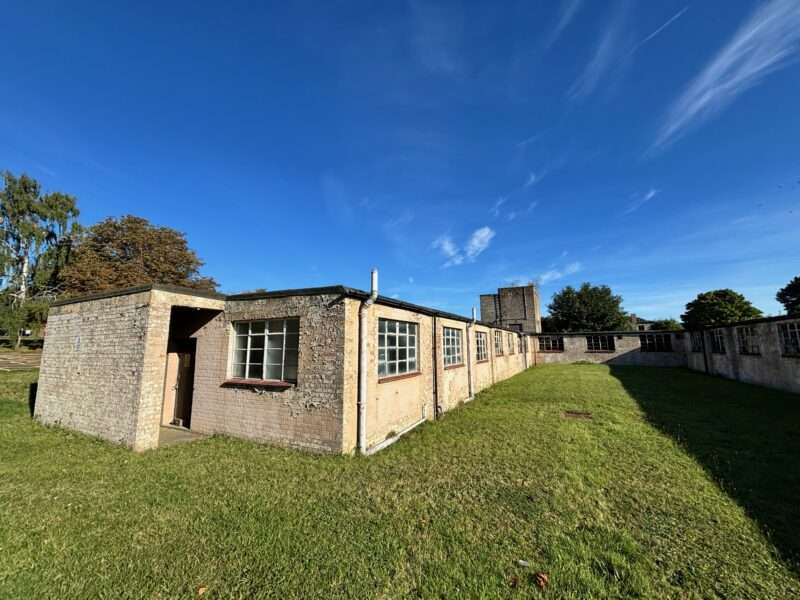
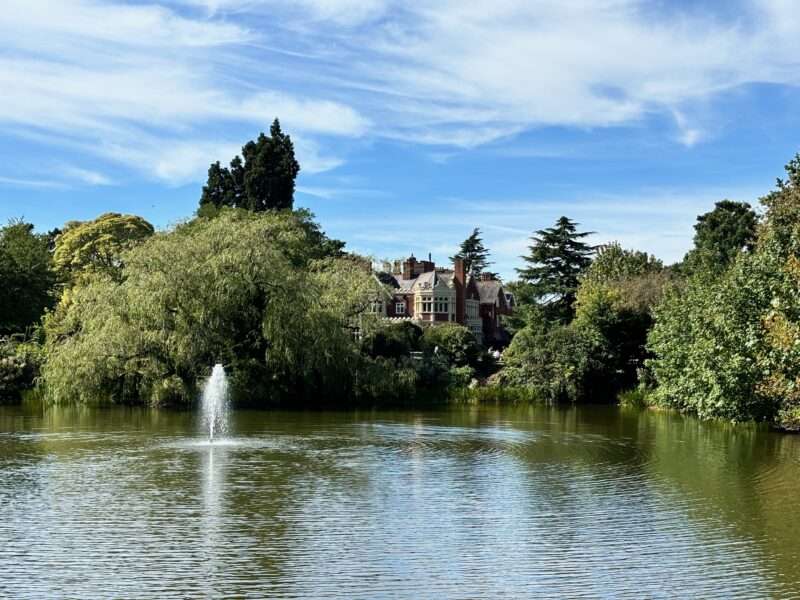
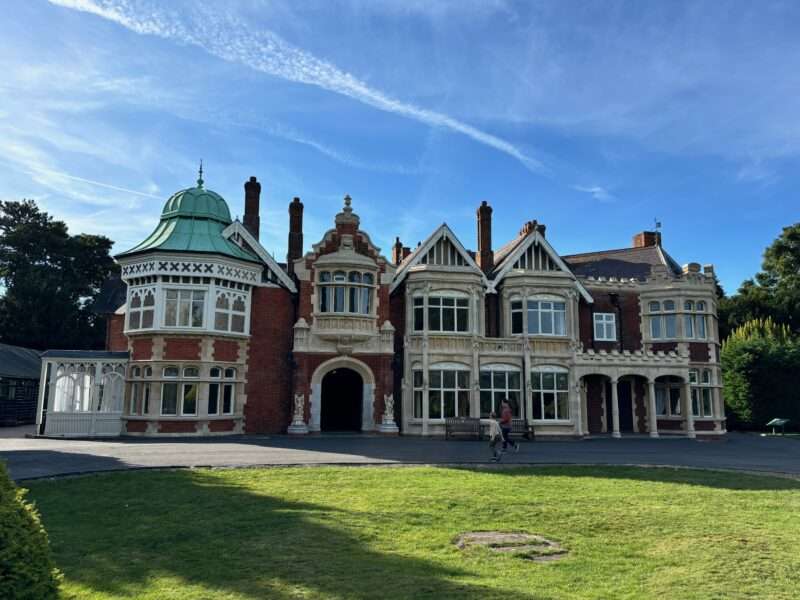

Much was learned by our Quantum Technology Club members about the story of the code breakers. There were some great static and interactive displays, and it really is great to be in the actual place where history was made and technical advances developed that would change the world forever.
However, it is a great shame that there are no working models of any of the equipment to be viewed. The hunt was on, though, for those elusive working replicas of Tunnies, Robinsons and Colossus. See what we discovered during day two.